Drug Offenses Defense
Possession is treatment. Sales is prison. The line between them is the case.
Since Proposition 47, simple possession of most drugs is a misdemeanor and often leads to treatment rather than jail. Possession for sale, transportation and manufacturing are still felonies with years attached. Most drug cases are fought over which side of that line the facts fall on, and over how the drugs were found. David defends drug cases in Fresno and the Central Valley, in state and federal court.
What the Law Says
The same bag of drugs can be a misdemeanor or a prison case.
Simple possession of a controlled substance — methamphetamine, cocaine, heroin, fentanyl, or prescription pills without a prescription — is a misdemeanor under Health and Safety Code §§ 11350 and 11377, punishable by up to a year in county jail but usually resolved through diversion or treatment. Possession for sale (§§ 11351, 11378) is a felony carrying 16 months, 2 or 3 years (2, 3 or 4 years for the drugs in § 11351). Transportation or sale (§§ 11352, 11379) carries 3, 4 or 5 years, and more for transporting across county lines. Manufacturing (§ 11379.6) carries 3, 5 or 7 years. Weight enhancements for large quantities add years more.
Whether possession is “for sale” is usually proved by circumstances rather than a sale: the quantity, packaging, scales, cash, messages on a phone, and the opinion of a narcotics officer. That opinion can be challenged, and the same facts frequently have an innocent explanation for a person who uses drugs. Fentanyl cases now carry additional allegations and warnings, and a death linked to a sale can be charged as murder or manslaughter.
Drug cases also carry consequences beyond the sentence: deportation for non-citizens even for minor convictions, loss of professional licenses, and loss of federal student aid and housing. Federal prosecution is possible for larger quantities, with mandatory minimum sentences of 5 and 10 years.
How the Office Defends These Cases
How the drugs were found matters as much as what was found.
The search
Drugs are found in traffic stops, home searches, and searches of people on probation or parole. If the police lacked a lawful basis for the stop or search, the evidence is suppressed under Penal Code § 1538.5.
Possession or sales?
The defense challenges the officer’s opinion that drugs were held for sale: the quantity, the absence of sales messages or customers, and the client’s own use are developed with evidence.
Whose drugs?
When drugs are found in a shared car or home, the prosecution must prove the client knew about them and controlled them. That is often the weakest part of the case.
Treatment and diversion
For possession cases, diversion under Penal Code § 1000, mental health diversion under § 1001.36, military diversion under § 1001.80, and court-ordered drug treatment under Proposition 36 can end the case without a conviction.
Lab testing and how the evidence was handled
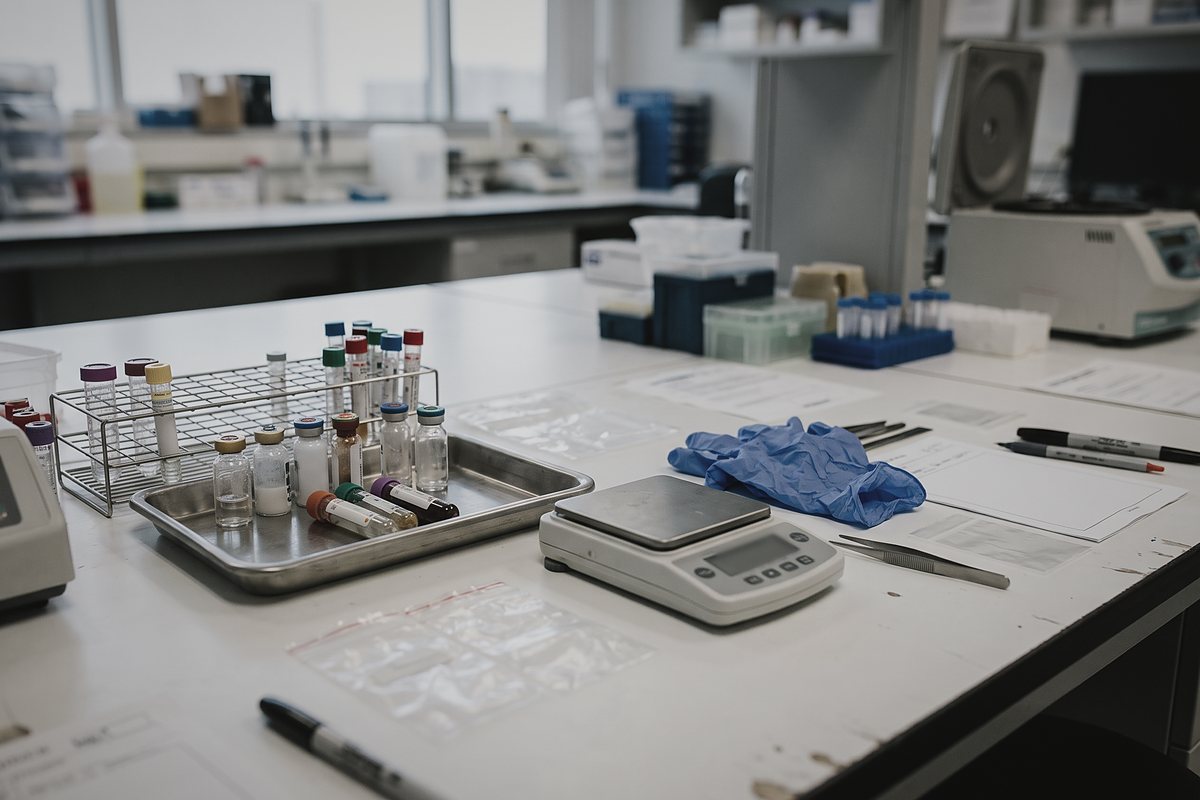
The substance, its weight, the lab’s methods and the record of who handled the evidence are reviewed, and independent testing is requested when it matters.
Immigration
For non-citizens, even a minor drug conviction can mean deportation. Resolutions are structured with that in mind.